Planning a jewelry store on Shopify
The decisions that shape cost, timeline and how easy the store is to run afterwards.
Model the catalog before designing anything
Most jewelry stores that feel messy have a data problem, not a design problem. If metal and stone details live only in product descriptions, filters cannot work, specs drift from page to page, and every new product depends on someone remembering the format. We start every jewelry build by agreeing the product model: which details are variants, which are metafields, and which are reusable metaobjects.
Variants should hold what the shopper chooses and what affects stock or price, typically metal color and size. Metafields hold the facts that describe the piece, such as karat, stone, carat weight, chain length and finish. Metaobjects suit content that repeats across many products, like a care guide for sterling silver or an explanation of lab-grown diamonds. Getting this right first is what makes the rest of the build straightforward.
- Variants: choices that change stock or price
- Metafields: facts that describe a piece
- Metaobjects: shared content such as care and material guides
Pre-built theme or custom theme
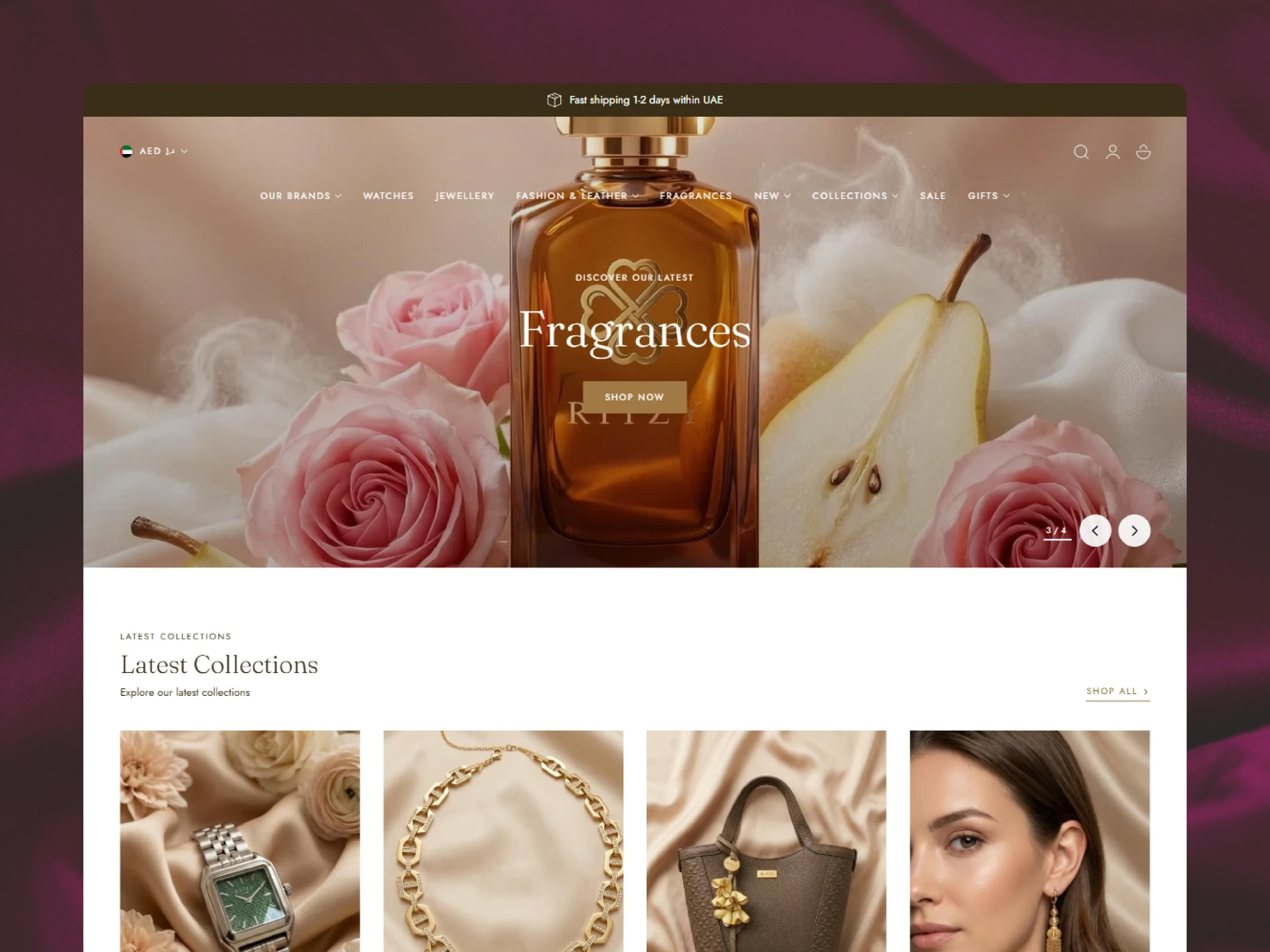
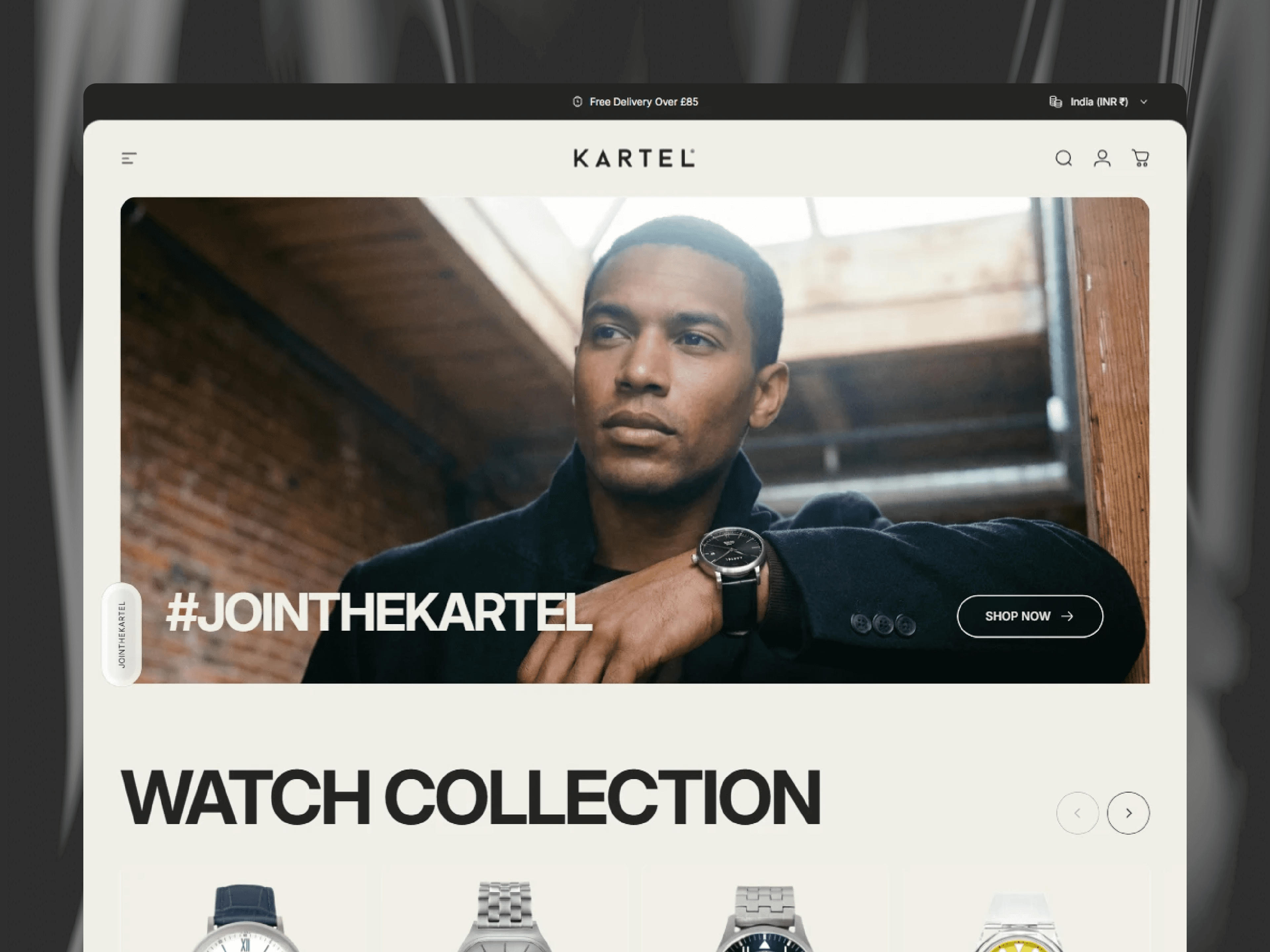
A well-chosen theme from the Shopify Theme Store can carry a new or smaller jewelry brand a long way, especially one with a modest catalog and strong photography. Customizing it with a few purpose-built sections, such as a specs tab, a certificate block and an engraving form, often covers most needs at a lower cost than starting from scratch.
A custom theme makes sense when the brand experience is central to the price point, when the catalog needs unusual merchandising, or when the current theme has been patched so often that changes have become slow and risky. A custom build lets us design every template around your pieces and keep the code lean. The comparison table below sets out the trade-offs plainly.
Photography and video drive the build
Jewelry is small, reflective and hard to photograph well, and the store design has to fit the photography you actually have. Before designing, we look at your image library: angles, backgrounds, on-body shots, scale references and video. If the photography is mostly packshots on white, an editorial layout built for lifestyle imagery will look empty.
We then set image ratios and naming rules so every new product drops in cleanly, and connect variant images so that selecting a metal or stone changes the gallery. Short video loops and zoom work well, but they are heavy; we load them only where they help and keep the first image fast.
Pricing, gold rates and made to order
Some jewelers price by weight and want prices to follow the metal market. Shopify does not do this natively, so it needs a custom app or an integration that recalculates prices from a rate feed, weight and making charge, then writes them back on a schedule. It is possible and reliable when done well, but we check how often prices really need to change before recommending it.
Made-to-order and bespoke pieces need different handling from ready-to-ship stock. That usually means lead times per variant, clear wording at checkout, and sometimes a deposit or consultation flow rather than a straight purchase. We set these up so customer expectations and workshop schedules agree.