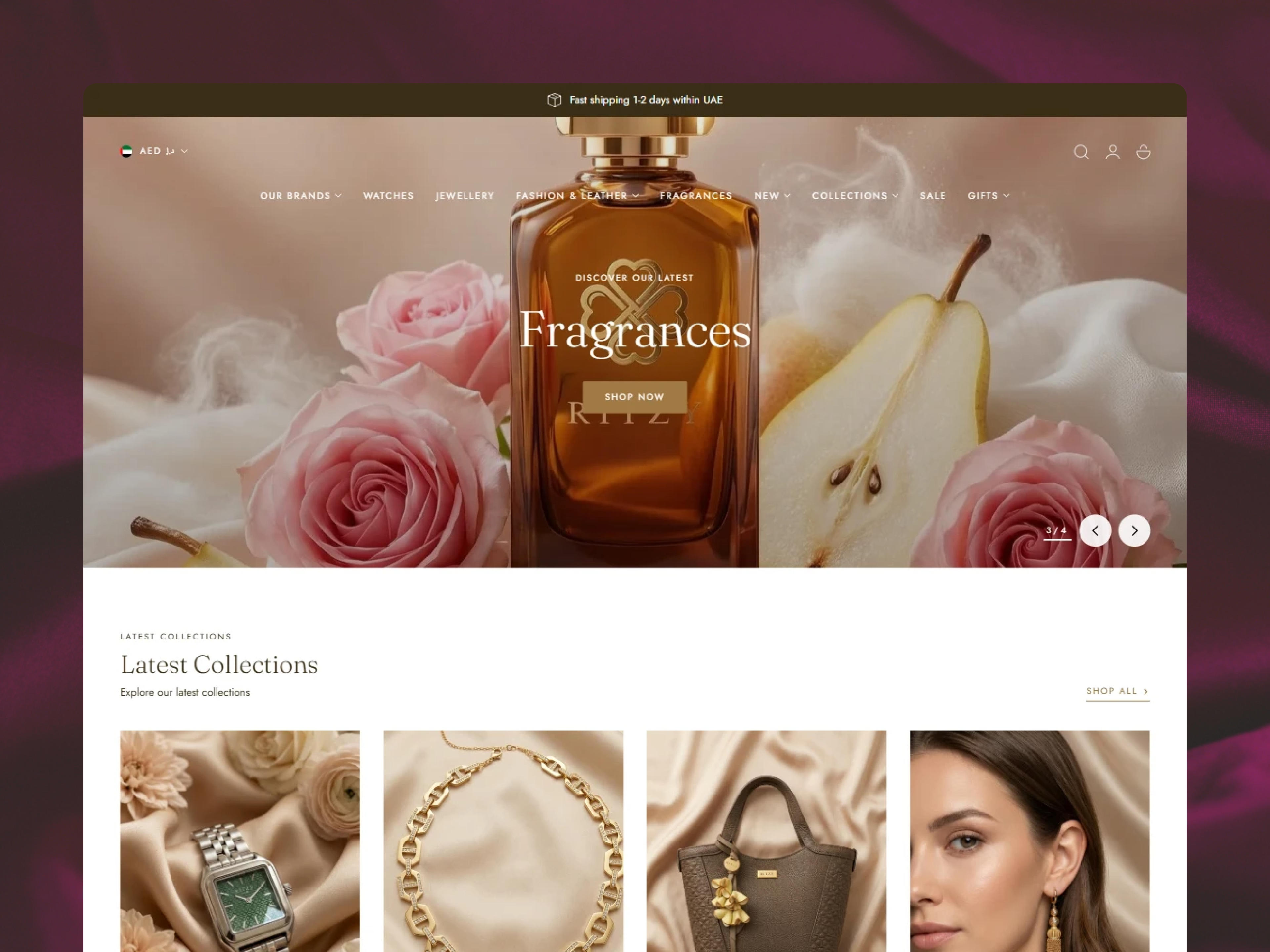
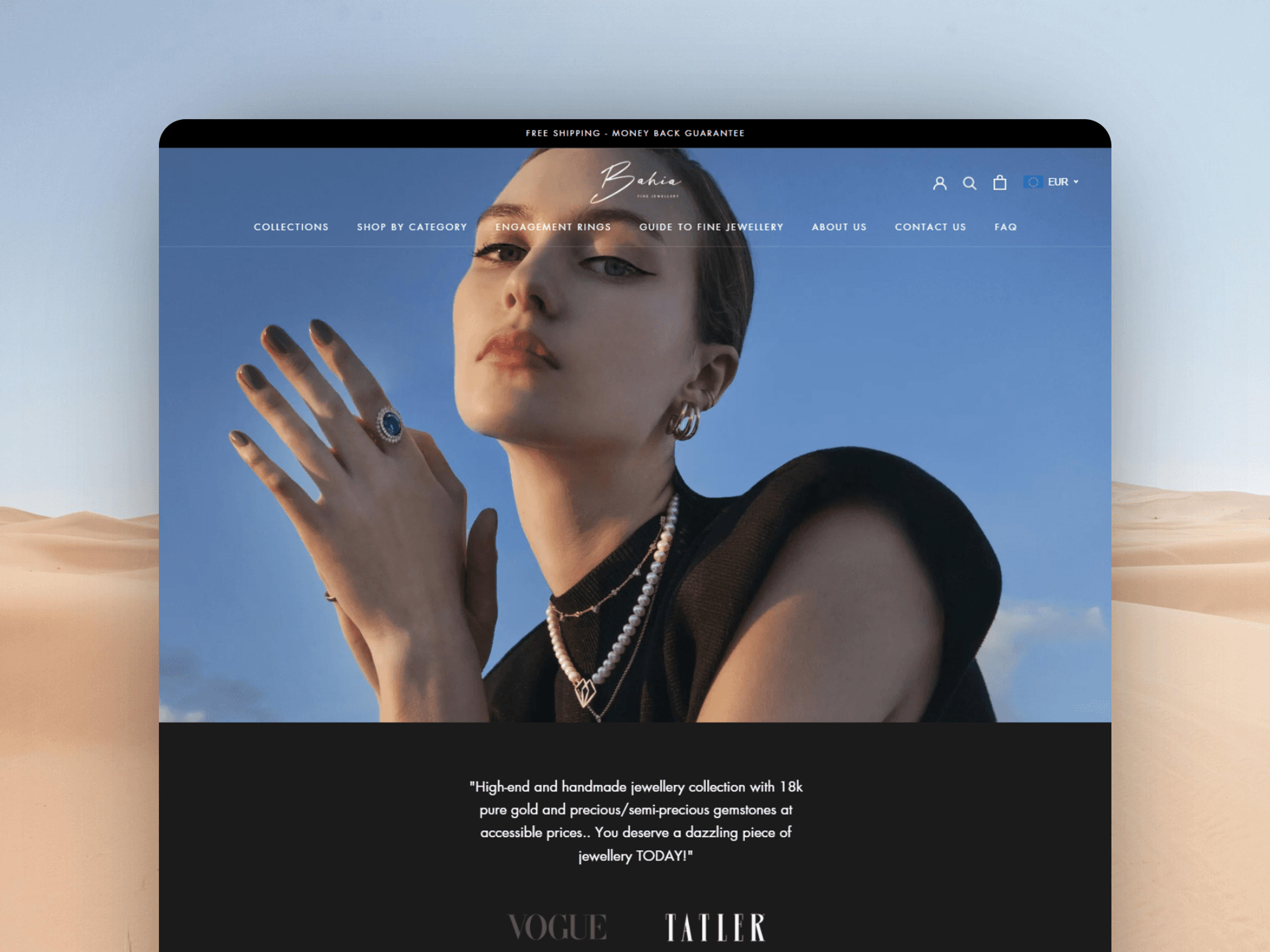
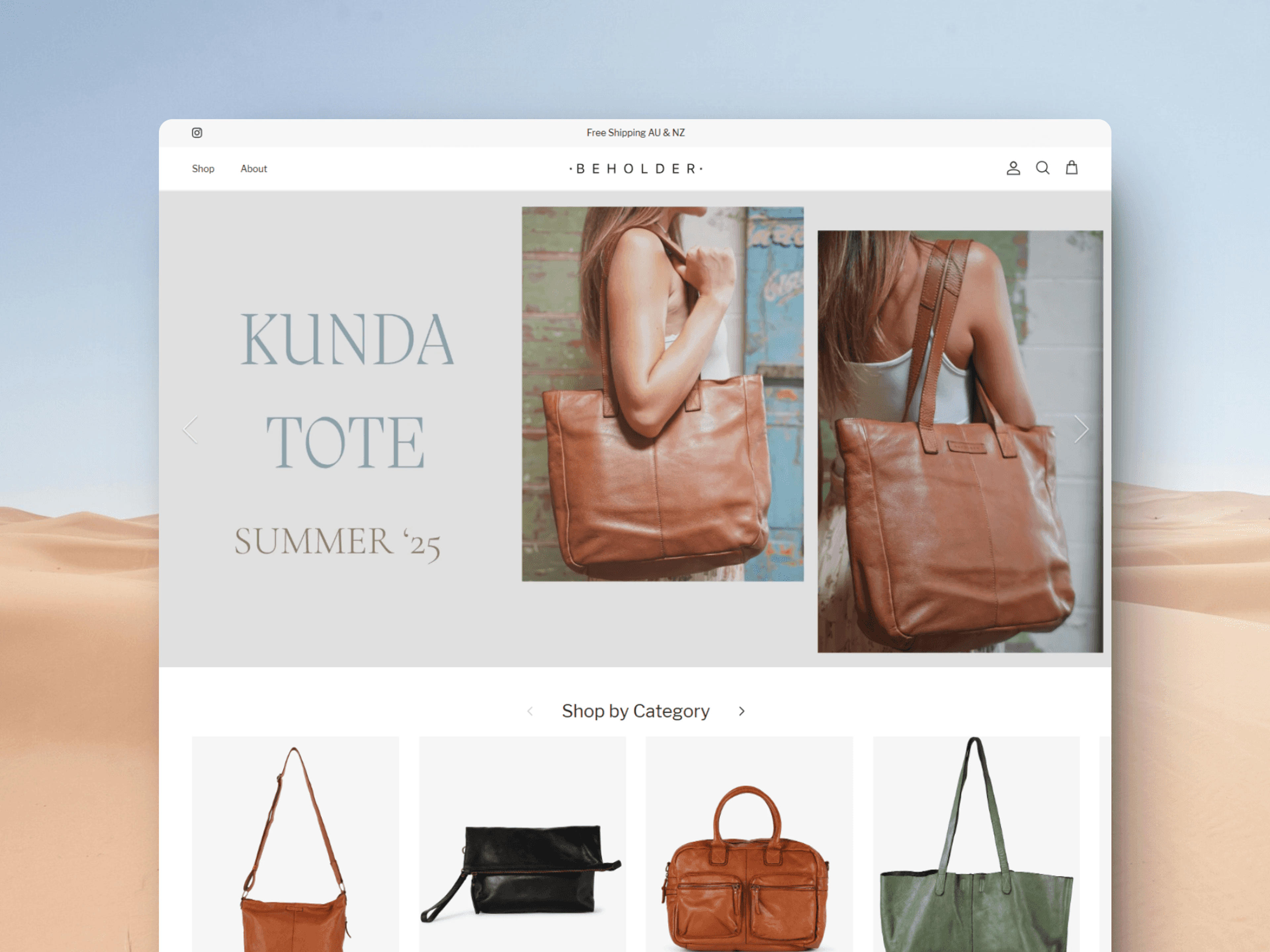
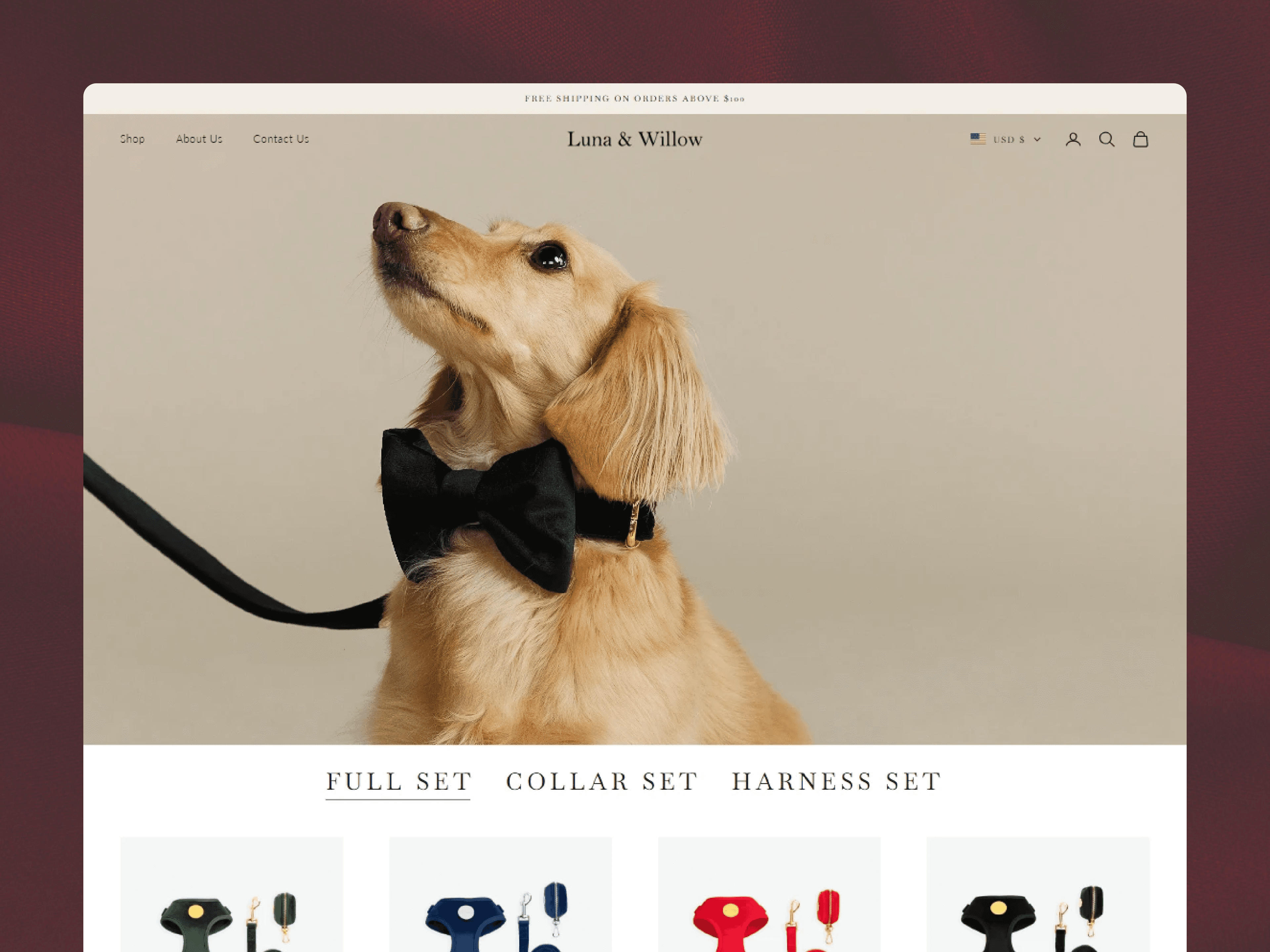
What makes a Dubai Shopify store different
The platform is the same worldwide. The decisions around it are not. These are the areas where we spend extra care for UAE stores.
Design for a mobile-first, social-led shopper
Many UAE shoppers discover brands on Instagram, open the link on their phone and decide within a few screens. That makes the first mobile view the most important page of your store. We design the homepage, collection and product pages for thumbs first: clear imagery, short copy, a sticky add to cart and a checkout that does not ask for anything it does not need.
Product pages carry the weight of trust. Reviews, clear delivery and return information and good photography answer the questions a shopper would ask a salesperson in a mall. We place them where the buying decision is made.
Arabic and English, done properly
A bilingual store is more than translated text. Arabic reads right to left, so layouts, icons, sliders, menus and form fields all need mirroring and testing. Fonts must support Arabic well, and product titles, descriptions and policies need to read naturally rather than word for word.
Shopify supports multiple languages through its translation tools and Markets. We set up the language structure, URLs and language switcher, then check every key template in both directions. If you are launching in English first, we build the theme so Arabic can be added later without a rebuild.
- Right-to-left layouts reviewed on real phones
- Language switcher and URL structure planned for search engines
- Translated checkout, emails and notifications
- Arabic-friendly fonts that stay fast to load
Currency, VAT and invoices
Shoppers in the UAE expect to see prices in AED, with clear information about whether tax is included. Shopify lets you display tax-inclusive prices and configure tax settings for your region, and Markets lets you add other currencies for GCC and international buyers.
Tax rules depend on how your business is registered and what you sell, so we configure the store with your accountant’s guidance rather than guessing. We make sure the settings, product prices, shipping charges and order documents tell the same story.
Payments UAE shoppers actually use
Payment preferences shape conversion. Cards and digital wallets are standard, cash on delivery remains popular for many categories and buy now pay later options have become common at higher order values. Which methods suit you depends on your average basket, your margins and your delivery set-up.
Payment provider availability also varies by where your business is registered, so we confirm what is available to you early and plan around it. We connect the methods you choose, test every path with real orders and make sure the checkout stays quick and clear.
Delivery that keeps its promise
In Dubai, delivery speed is part of the product. We connect your store to your couriers or fulfillment partners, show delivery estimates before checkout and configure rates by emirate or zone where needed. Return and exchange rules are written in plain language and linked where shoppers need them.
The aim is simple: the delivery promise on the page should match what happens next, because that is what earns the second order.
Plan for seasonal peaks
UAE retail has strong seasonal moments, including Ramadan and Eid gifting, summer promotions, White Friday and the shopping festivals. Traffic and expectations rise together, and a store that slows down at peak loses the best days of the year.
We build with peaks in mind: lean themes, tested discount and bundle logic, campaign landing pages your team can edit and a pre-peak checklist covering speed, stock sync and checkout.
Selling beyond the UAE
Many Dubai brands sell across the GCC and beyond. Shopify Markets helps you present the right currency, language and shipping options per country from one store. Duties, import rules and delivery options differ between countries, so we help you configure what Shopify supports and document what your team must confirm with its logistics partners.