Why Texas brands are building on Shopify
Shopify suits the mix of local roots and national reach that many Texas businesses have. These are the points that come up most.
A professional store builds trust quickly
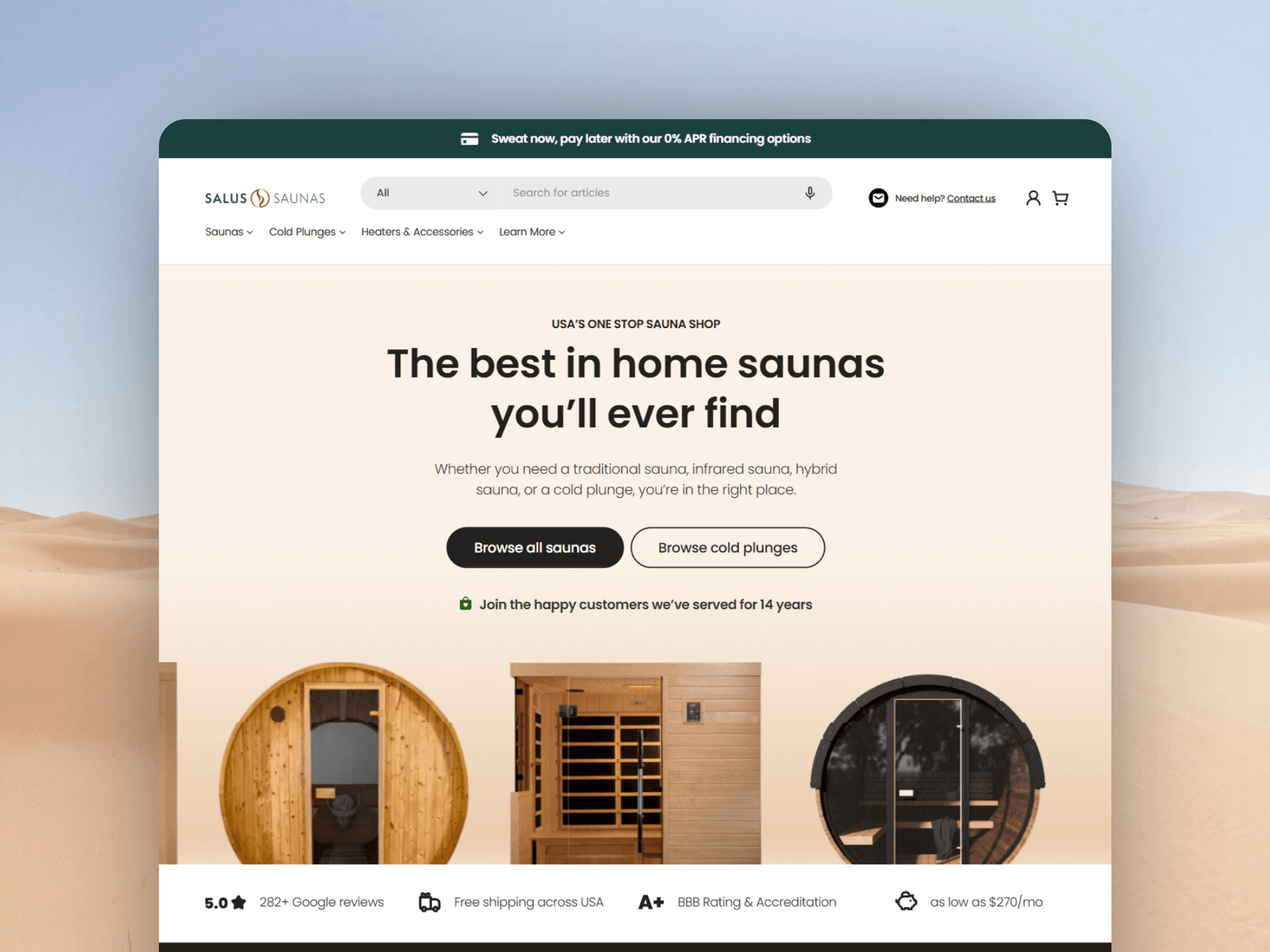
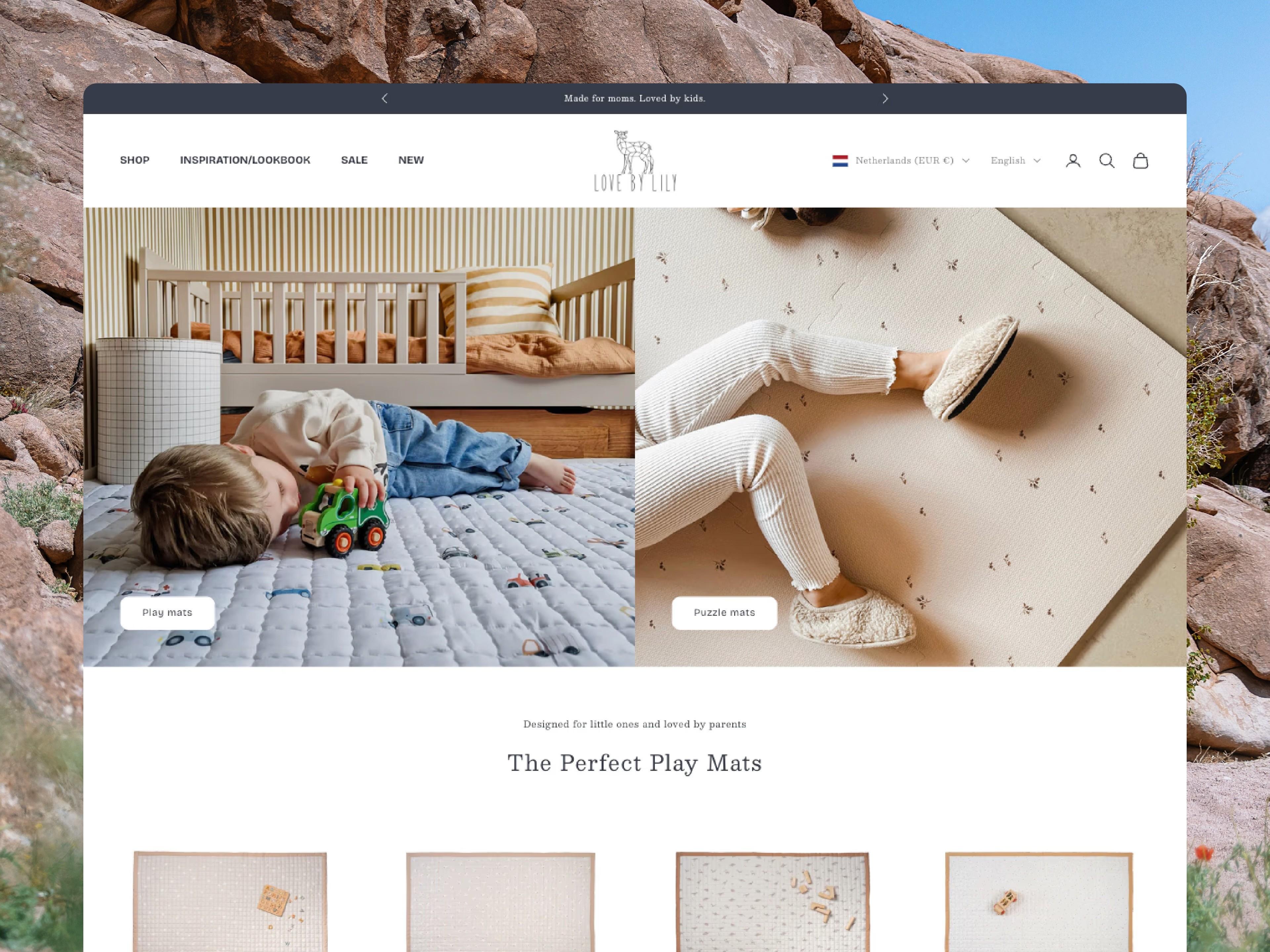
Shoppers judge a store in seconds. A clean layout, fast pages, clear prices and a checkout that feels safe tell a first-time buyer they can trust you. A cluttered, slow or confusing store does the opposite, however good the product is.
We design stores to earn trust on the first visit: clear product information, honest delivery and returns details, reviews in the right places and a mobile experience that does not make people work.
- Clean, fast pages that work on every screen size
- Clear pricing, delivery and returns information near the add to cart button
- Reviews and social proof where decisions are made
- A secure, familiar checkout
Easy for your team to run
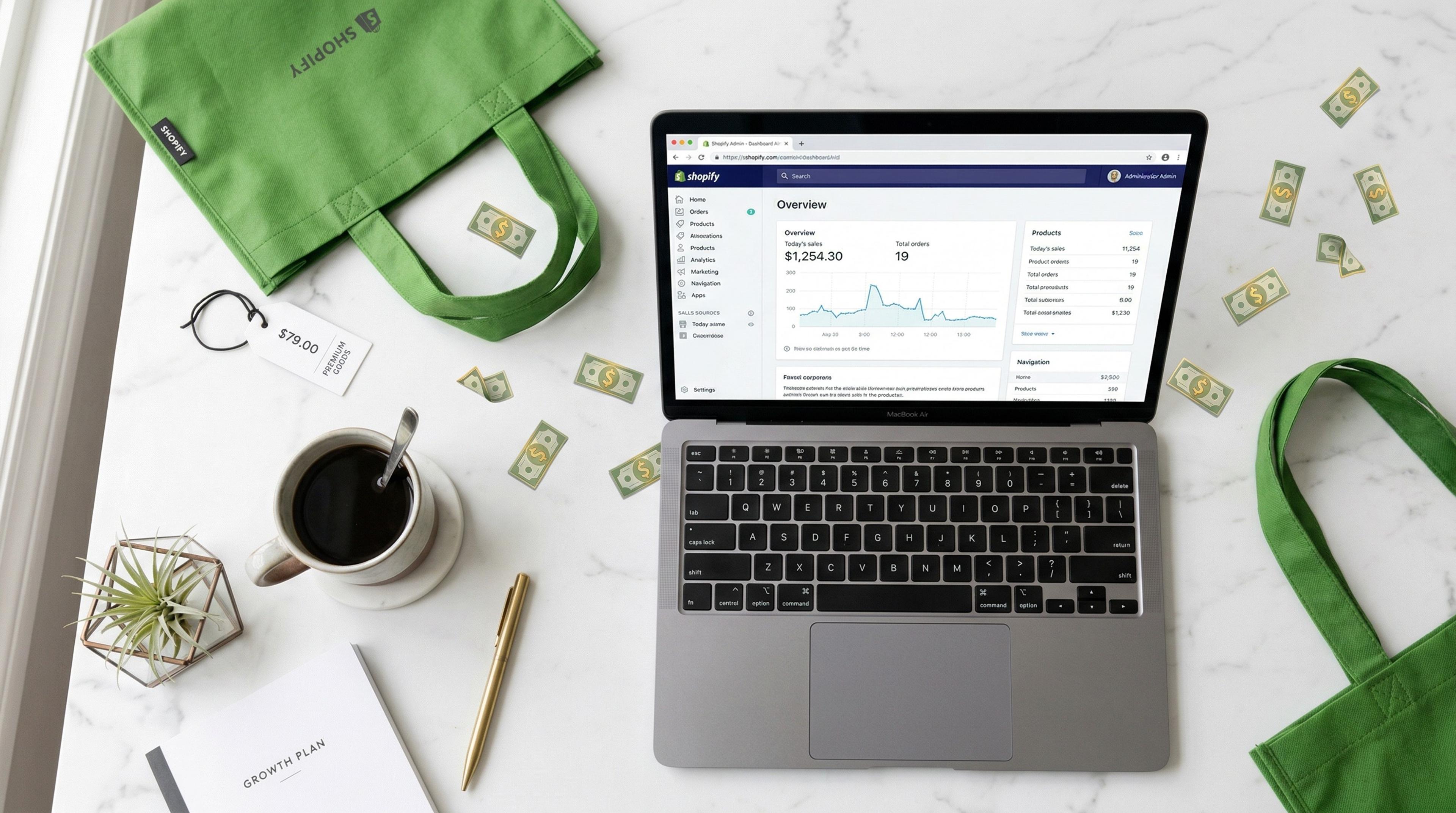
Shopify’s admin is designed for business owners, not developers. Your team can add products, change page content, run promotions and review orders and reports without technical help. Online Store 2.0 themes let you add and rearrange sections on any page.
We build themes with that in mind, then hand over with a recorded walkthrough so your team is confident from day one.
Hosting, security and speed handled for you
Shopify is a hosted platform, so hosting, updates and the security of the checkout are managed for you. That frees your budget and attention for products, marketing and customers. Our job is to keep what we add to the store lean and well written, so it stays fast.
Selling locally and nationally
Many Texas brands have a loyal local base and a growing national audience. Shopify supports both: local pickup and local delivery for nearby customers, carrier rates and delivery estimates for the rest and POS for shops and events, all sharing one catalog and one view of stock.
We configure the structure for locations, inventory and permissions, so a sale at a market stall does not oversell an item online.
Sales tax in a state with local rates
Texas sales tax combines a state rate with local rates, and selling to other states brings their rules into play. Shopify provides tax settings and tools that help calculate tax, but what applies to you depends on your products, where you sell and where you have an obligation to collect.
We configure the store carefully and recommend reviewing the details with your accountant. We make sure prices, shipping charges, tax settings and order documents are consistent.
Shipping across a big state and beyond
Distances in Texas are long, and delivery speed varies by region. We connect your store to the carriers and fulfillment tools you use, set rates and estimates by region and make delivery information visible before checkout.
For brands with heavy or bulky items, we plan freight and delivery options so shipping charges do not surprise buyers at the last step.
Payments that customers already know
Customers expect to pay with cards, digital wallets and, increasingly, buy now pay later options. Shopify supports a wide range of payment methods, and Shop Pay and other accelerated checkouts let returning customers pay in moments.
We confirm which methods are available to your business, connect the ones you choose and test every path with real orders.
Retail, events and markets across Texas
Texas brands often sell in person as well as online: boutiques, farmers markets, festivals, trade days and pop-ups. Shopify POS and local pickup let a shop or a market stall share one catalog and one inventory with your online store, so a sale on a Saturday does not oversell an item on Sunday.
We set up locations, staff permissions and reporting, and connect the card readers and tools your team uses at events, so in-person selling feels as smooth as the online store.
Working with us from anywhere
We work with Texas and US brands remotely, which keeps the process simple and the cost focused on the work rather than on overhead. You get a named team, a written scope, regular milestone updates and direct access on WhatsApp, so questions get answered quickly.
Every project ends with a recorded walkthrough and a written guide, and we stay available for support and improvements as the business grows.
Privacy and accessibility basics
State privacy laws, including the Texas Data Privacy and Security Act, may apply depending on your business and the data you collect, and web accessibility is a growing legal focus across the United States. We build with accessible colors, focus states and labels as the baseline and set up consent and tracking tools the way you decide with your counsel.
We do not offer legal advice, but we can run a dedicated accessibility audit and help you turn the findings into fixes.